At first glance, artificial intelligence and living craft traditions may seem to belong to opposite worlds. One is fast, scalable, and endlessly reproducible. The other is slow, tactile, local, and shaped by generations of human knowledge.
But at Planet Fix Project, we do not believe technology and craft have to stand against each other. Used carefully, new tools can help old knowledge find its way into the future.

The Problem Was Never That Craft Had No Value
Many artisan communities and minority cultural groups are not disappearing because their work has lost meaning. They are disappearing because the world around them has become difficult and expensive to enter.
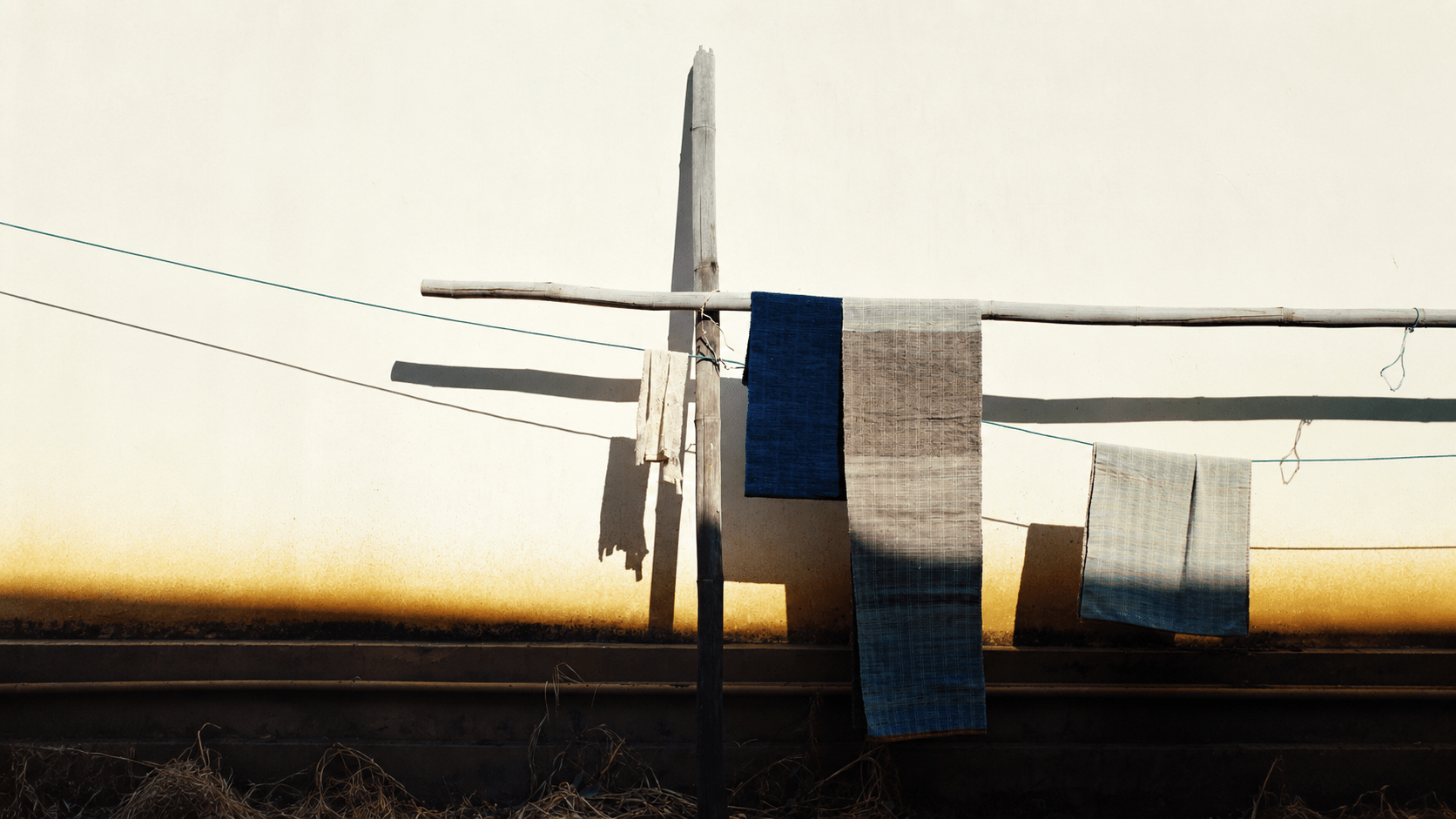
A handwoven textile, a ceramic vessel, a bamboo object, or a small-batch handmade piece may carry generations of material knowledge. It may hold stories of place, ecology, ritual, family, and cultural memory. But in the modern marketplace, making the object is only one part of survival.
To place one handmade object in front of a global audience requires photography, translation, product writing, website building, payment systems, shipping knowledge, advertising, customer service, search visibility, and continuous market education. For large companies, this is infrastructure. For many small craft communities, it can become an impossible wall.
Their culture is not unseen because it is unworthy. It is unseen because the cost of being seen has become too high.

What AI Changes
AI does not replace the hand. It does not replace the knowledge of a weaver, the rhythm of a ceramicist, the memory of a family technique, or the cultural meaning behind a material.
But AI can lower some of the barriers around modern commerce. It can help a small business translate stories, organize product information, write descriptions, study customer questions, analyze advertising performance, create educational content, and communicate across languages and markets.
It can reduce the cost of beginning. It can reduce the need for a large marketing team. It can make it possible for a small, independent project to do work that once required far more people, time, and money.
For Planet Fix Project, this matters deeply. Because when the cost of operation becomes lighter, more energy can return to what matters most: the maker, the material, the cultural context, and the long-term relationship behind each object.
PFP as a Bridge
Planet Fix Project exists as a small but intentional bridge between living craft communities and global homes.
We are not interested in turning culture into a trend. We are not interested in making handmade objects look machine-perfect. And we do not see artisan communities as decorative sources of inspiration.
We see them as holders of knowledge.
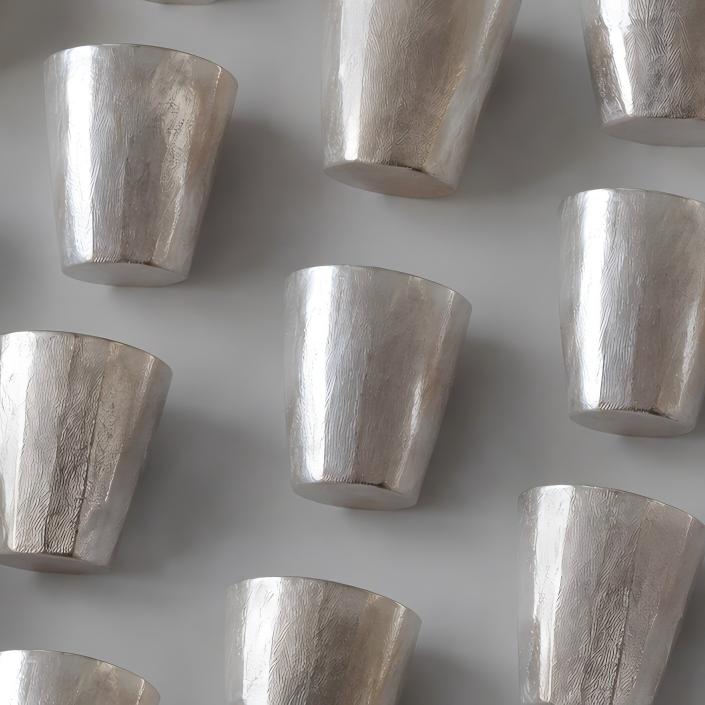
Many of the objects we gather are shaped by ecological materials, inherited techniques, slow production, and regional ways of making. Some come from small workshops. Some are one of a kind. Some are made from reclaimed materials that carry the memory of a previous life.
Our role is to help these objects become visible, understandable, usable, and economically alive in the contemporary world.
A handmade object should not only be admired from a distance. It should be lived with, touched, used, cared for, and allowed to continue its story inside a home.

Visibility Is Not Charity
For us, cultural preservation is not only about memory. It is also about livelihood.
A craft tradition cannot survive only as an image, a museum object, or a nostalgic idea. It needs a living market. It needs people who understand why something made slowly carries a different value from something made by the thousands.
It needs language that can explain the material without flattening it. It needs photography that respects the texture rather than polishing it away. It needs customers who can see the difference between printed texture and woven texture, between artificial perfection and the irregular beauty of the hand.
This is why fair trade is central to our work.
Fair trade is not only an ethical label. It is the beginning of a positive commercial cycle. When artisans are paid more fairly, cultural techniques remain economically possible. When customers receive objects with real material memory, they become part of that continuation. When revenue returns to the project, we can continue investing in visibility, education, photography, storytelling, and future collaborations.
The goal is not a one-time transaction. The goal is an ecosystem that can keep moving in a better direction.

Why the Hand Still Matters
There is a kind of intelligence that cannot be automated.
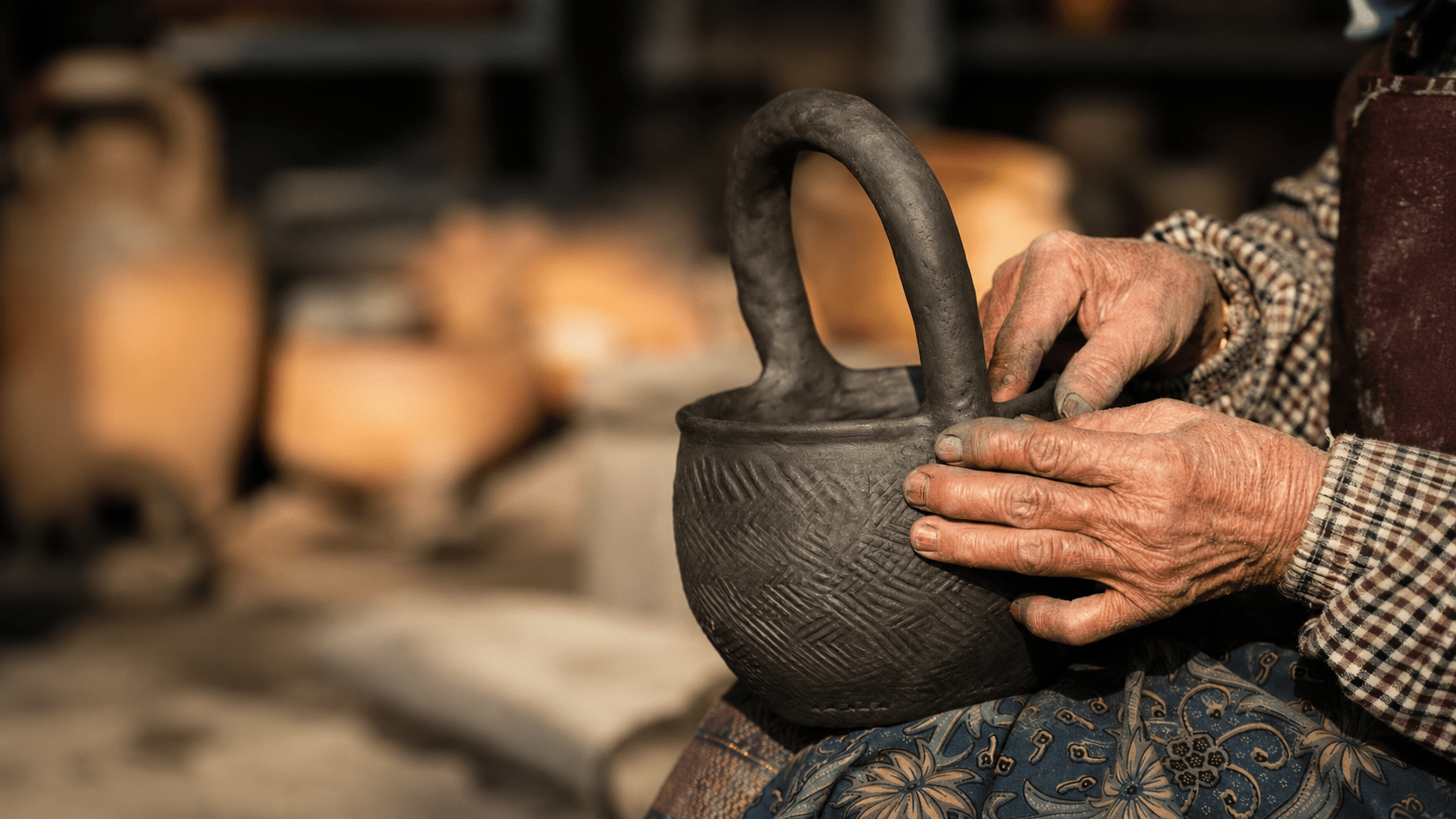
The hand knows pressure. The eye knows irregularity. The body knows rhythm. The maker knows when a line is alive.
A machine can generate an image of texture, but it cannot inherit a grandmother’s weaving habit. It cannot remember the sound of bamboo splitting, the weight of wet clay, or the decision to keep a frayed edge because it carries the truth of the material.
Handmade work is not valuable because it is perfect. It is valuable because it contains evidence of life.
The slight unevenness in a woven textile, the quiet variation in a ceramic glaze, the raised surface of reclaimed cloth, the trace of a human decision — these are not errors to be corrected. They are signs of presence.
In an age when images and products can be endlessly duplicated, the singular object becomes more important, not less.
Using Speed in Service of Slowness
AI can make many things faster. But speed alone is not our goal.
At Planet Fix Project, we hope to use modern tools in service of slower things: material memory, cultural continuity, ecological making, fairer exchange, and the human relationships behind objects.
Technology can help us build the bridge. But the bridge must lead back to people — to hands, communities, places, and living traditions that deserve to be seen not as the past, but as part of the future.
The Future Should Still Have Hands
Planet Fix Project is a growing collection of handmade objects shaped by material, place, and memory.
We believe objects can hold culture. We believe materials can teach us to live more gently. And we believe that a small business, when built carefully, can help create a more direct relationship between artisan communities and the people who value their work.
In the age of AI, living craft traditions matter because they remind us what cannot be automated.
And if new tools can help more people see that, then perhaps technology and craft do not have to stand on opposite sides. Perhaps one can help the other survive.
Editorial Note:
This essay was developed by Solcen for Planet Fix Project with editorial assistance from ChatGPT. AI was used to help organize, draft, and refine the language; the final ideas, edits, and brand perspective were reviewed and approved by Planet Fix Project.