What Is Liezhi Rag Weaving?
Liezhi fabric, or 裂织, is a traditional Chinese form of rag weaving that gives old cloth a second life. Worn garments, fabric offcuts, and leftover textile fragments are torn into strips by hand, then woven again on a loom to create an entirely new fabric.
Unlike ordinary woven cloth, Liezhi carries visible traces of its previous life. Every strip has its own color, texture, and history. When these fragments are rewoven together, the result is a textile that feels both raw and delicate — practical, poetic, and deeply human.

A Textile Craft from the Mountains
While Japan's sakiori tradition is better known internationally, similar reclaimed-textile weaving traditions have also existed in China for generations. Chinese Liezhi can be traced to mountain regions and ethnic minority communities in Yunnan, Guizhou, and surrounding areas, where cloth was once precious and never wasted.
In earlier times, women in the mountains would reuse whatever materials were available: old clothing, cloth scraps, hemp threads, and sometimes even plant or bark fibers. These materials were torn into narrow strips and woven back together, weft by weft, like a living puzzle.
What began as a practical response to scarcity slowly became a distinct textile language — one shaped by landscape, resourcefulness, memory, and handwork.
Regional Forms of Liezhi
Across China, many regional forms of Liezhi and related crack-weave textiles can be found. These include Dai Liezhi, Huangping Liezhi, Zhuang Liezhi, Huaxi Miao Liezhi, Chuxiong Liezhi, Dong Liezhi, and Liezhi from areas near the Myanmar border.
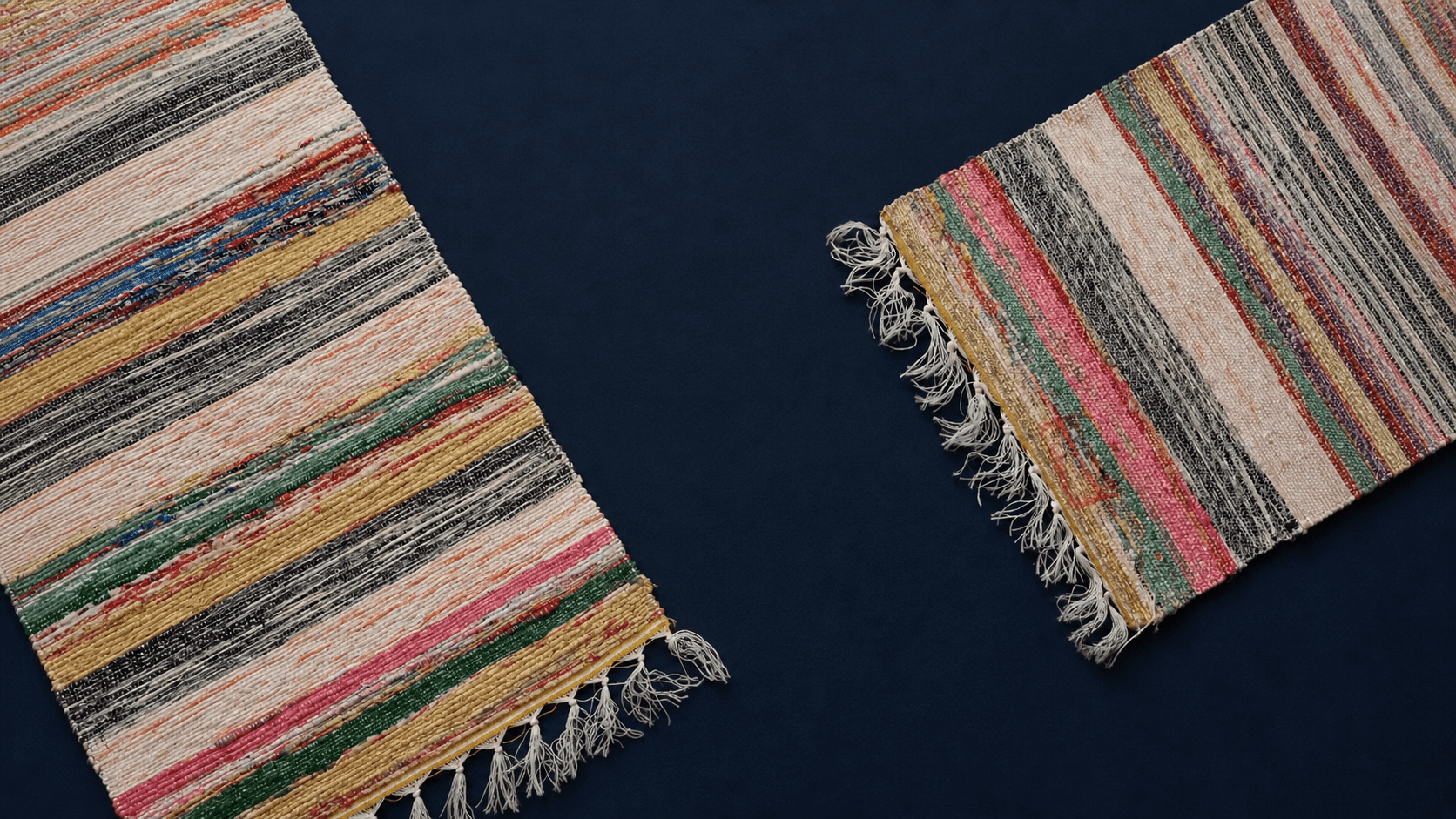
Each region carries its own color language, weaving rhythm, and cultural memory. Some pieces are bold and richly colored, while others are quiet, muted, and earthy. Because the fabric is made from torn and rewoven materials, no two pieces of Liezhi fabric are ever exactly the same.
Old Cloth, New Cloth, and the Value of Time
Liezhi fabric can be understood through both its material age and its method of making.
Some pieces are woven from old cloth that has already lived a long life. Others are newly woven from aged fabric, while some contemporary pieces are made from newer materials using traditional weaving methods.
Among collectors and textile lovers, older Liezhi pieces are especially treasured. Their faded colors, softened fibers, and naturally weathered surfaces carry a quiet beauty that cannot be artificially reproduced. These textiles hold the marks of time — not as imperfections, but as part of their character.
Materials and Natural Color
Traditional Liezhi fabric is usually made mainly from cotton. Many older pieces use plant-based dyes, which give the textile a soft, muted, and graceful appearance.
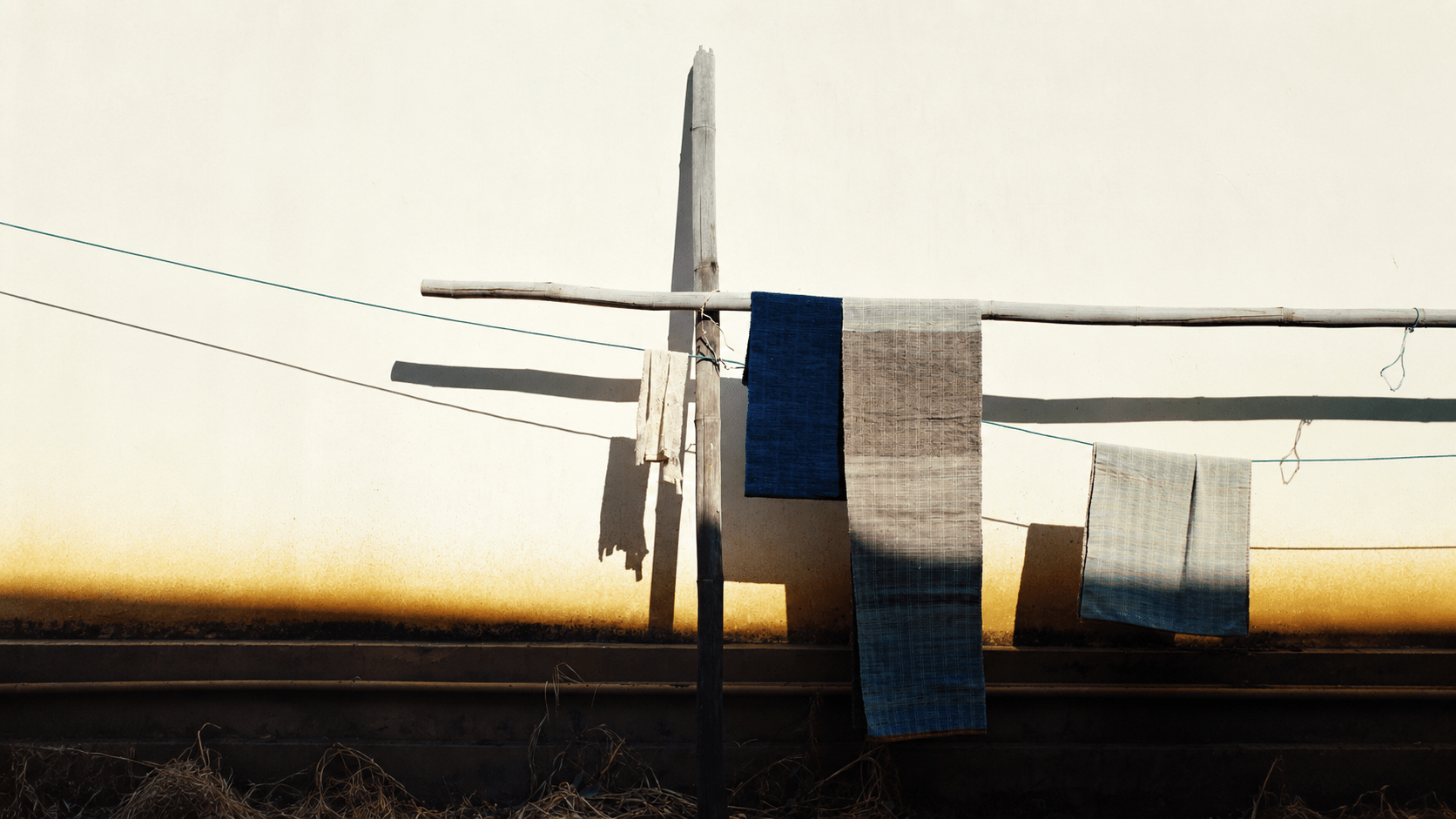
Some Liezhi textiles, especially those dyed in deep old blue tones, carry a richer and more saturated character. These darker shades often feel calm, grounded, and deeply connected to traditional rural life.
Today, synthetic fibers and modern materials have made some Liezhi textiles brighter and more colorful. However, pieces made from cotton and natural plant-based dyes are still especially valued for their cultural depth, tactile softness, and timeless appearance.
Why Liezhi Fabric Feels Different
The beauty of Liezhi lies in its irregularity.
Its woven surface may contain small gaps, uneven textures, shifting colors, and visible handwork. These details are not flaws. They are what make the textile alive.
Each piece records the transformation of material: from old cloth to torn strip, from fragment to fabric, from everyday use to renewed beauty. This is why Liezhi is more than a sustainable textile. It is a fabric of memory.

Modern Uses of Liezhi Fabric
Today, Liezhi fabric has found new possibilities in contemporary homes and slow-living interiors. It can be used for:
- tea cloths
- table runners
- rugs
- handmade bags
- cushion covers
- sofa covers
- tissue box covers
- wall hangings
- door curtains
- clothing and accessories
What was once a practical way to reuse scarce materials has become a meaningful form of sustainable home decor. In modern spaces, Liezhi brings warmth, texture, and a sense of human touch.
A Textile of Memory, Craft, and Renewal
Liezhi is an art hidden within warp and weft. Every inch carries the warmth of the hand.
Its gaps and irregularities are not defects, but traces of landscape, time, and human touch. It reminds us that beauty does not always begin with something new. Sometimes, it begins with what has been overlooked.
From reclaimed cloth to handwoven fabric, from mountain craft to modern home decor, Liezhi continues to carry a quiet message: materials have memory, and with care, they can begin again.
Watch the Making Process
Inside the workshop, Liezhi fabric is slowly rebuilt by hand — strip by strip, line by line.